Student-led workshop series
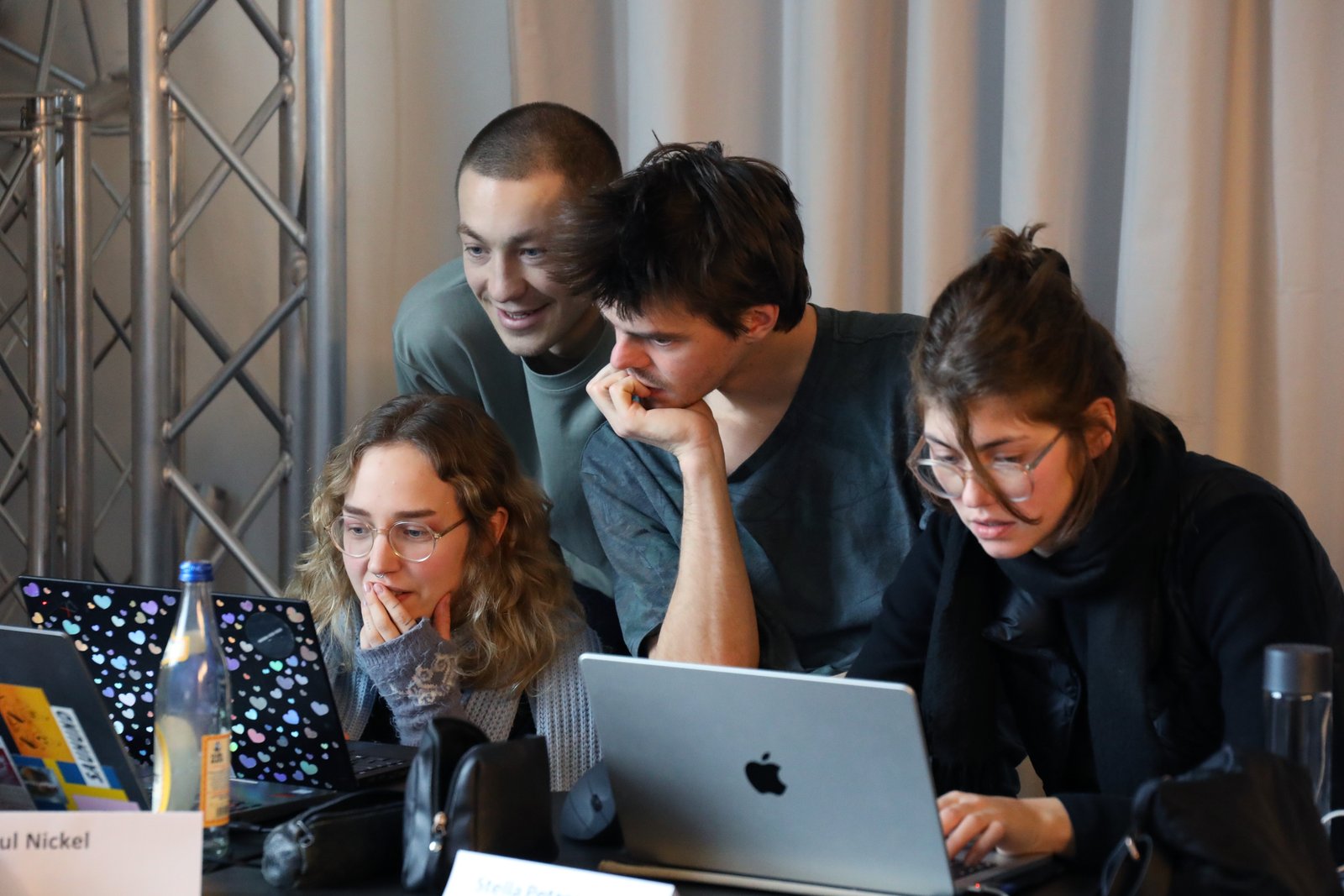
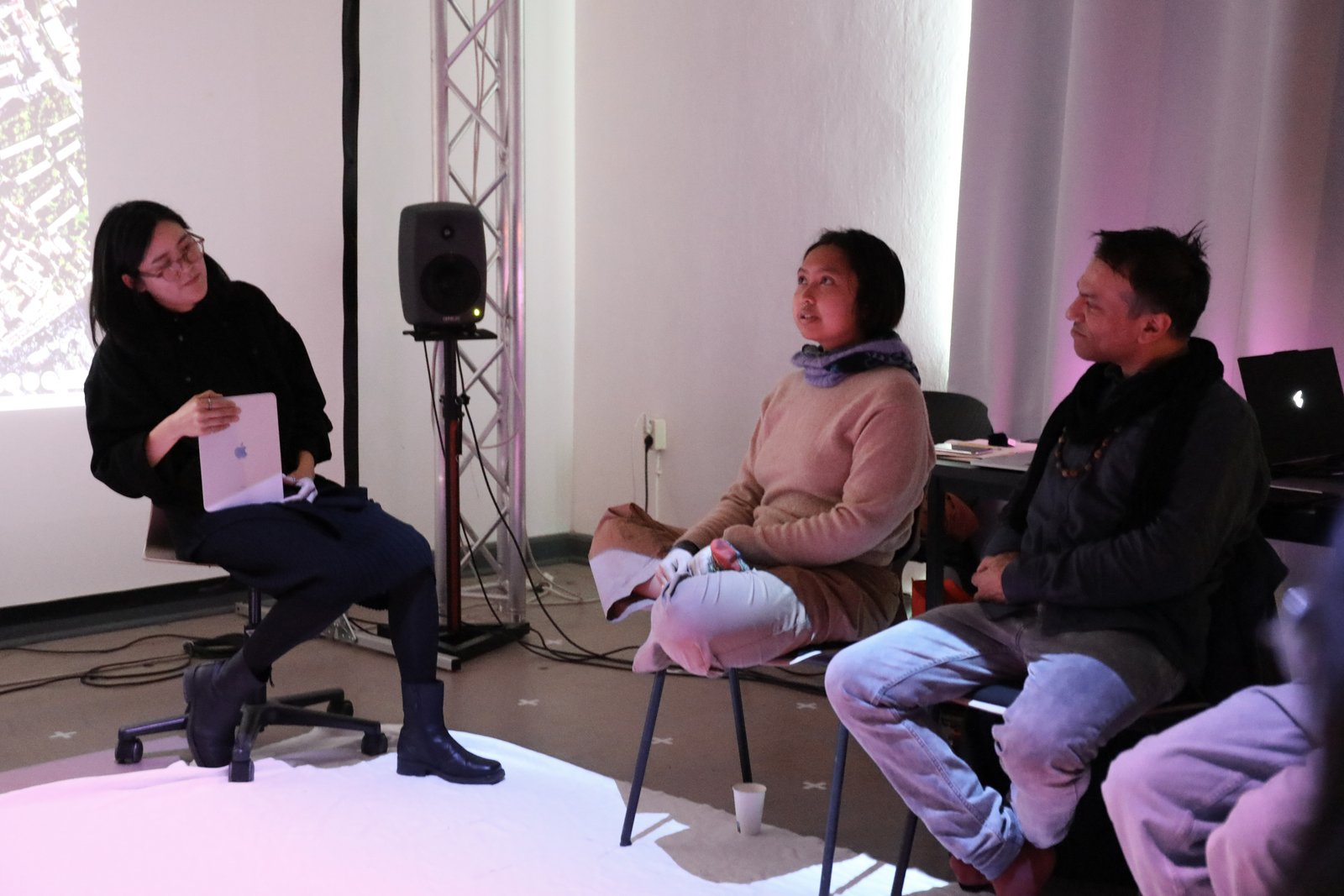
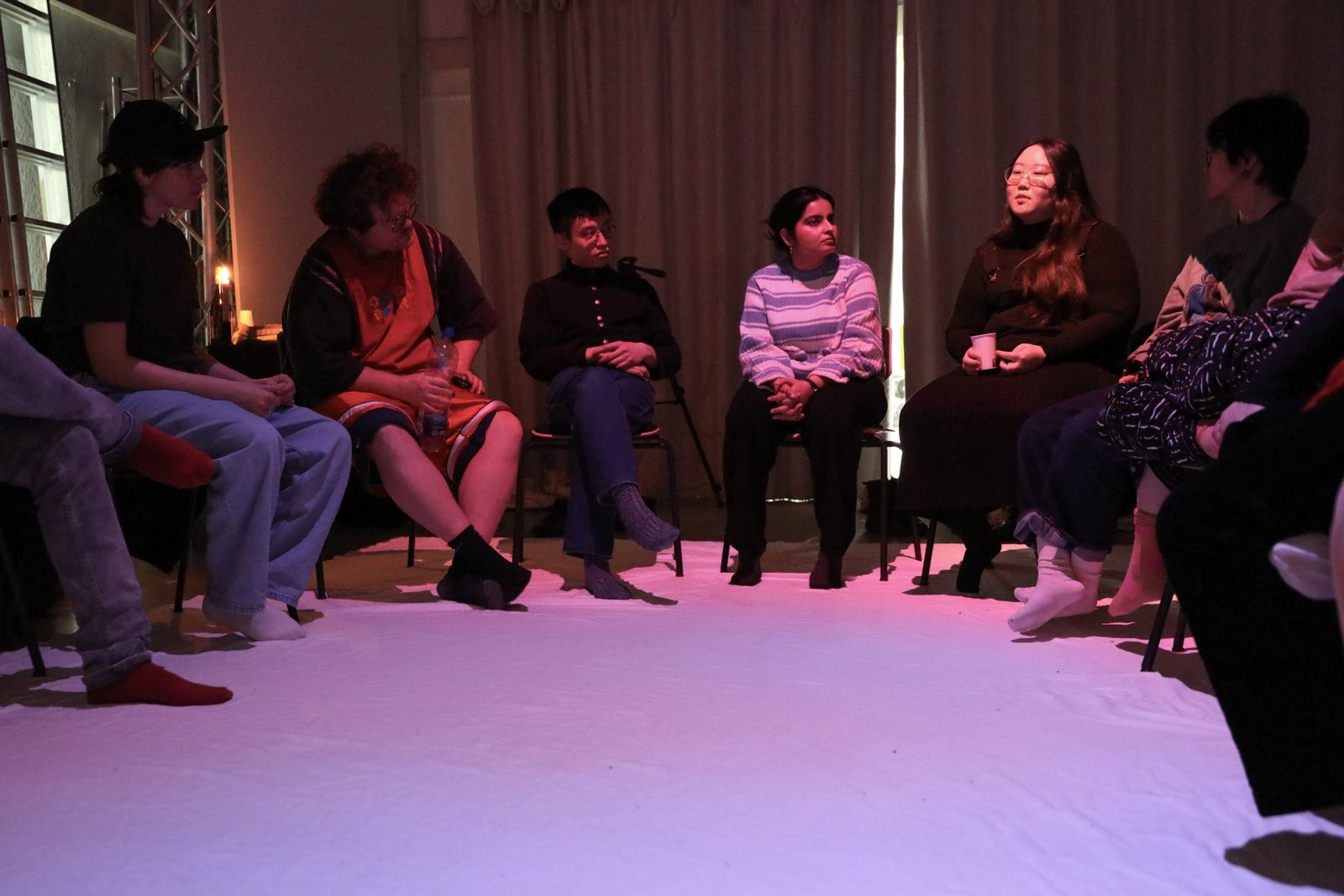
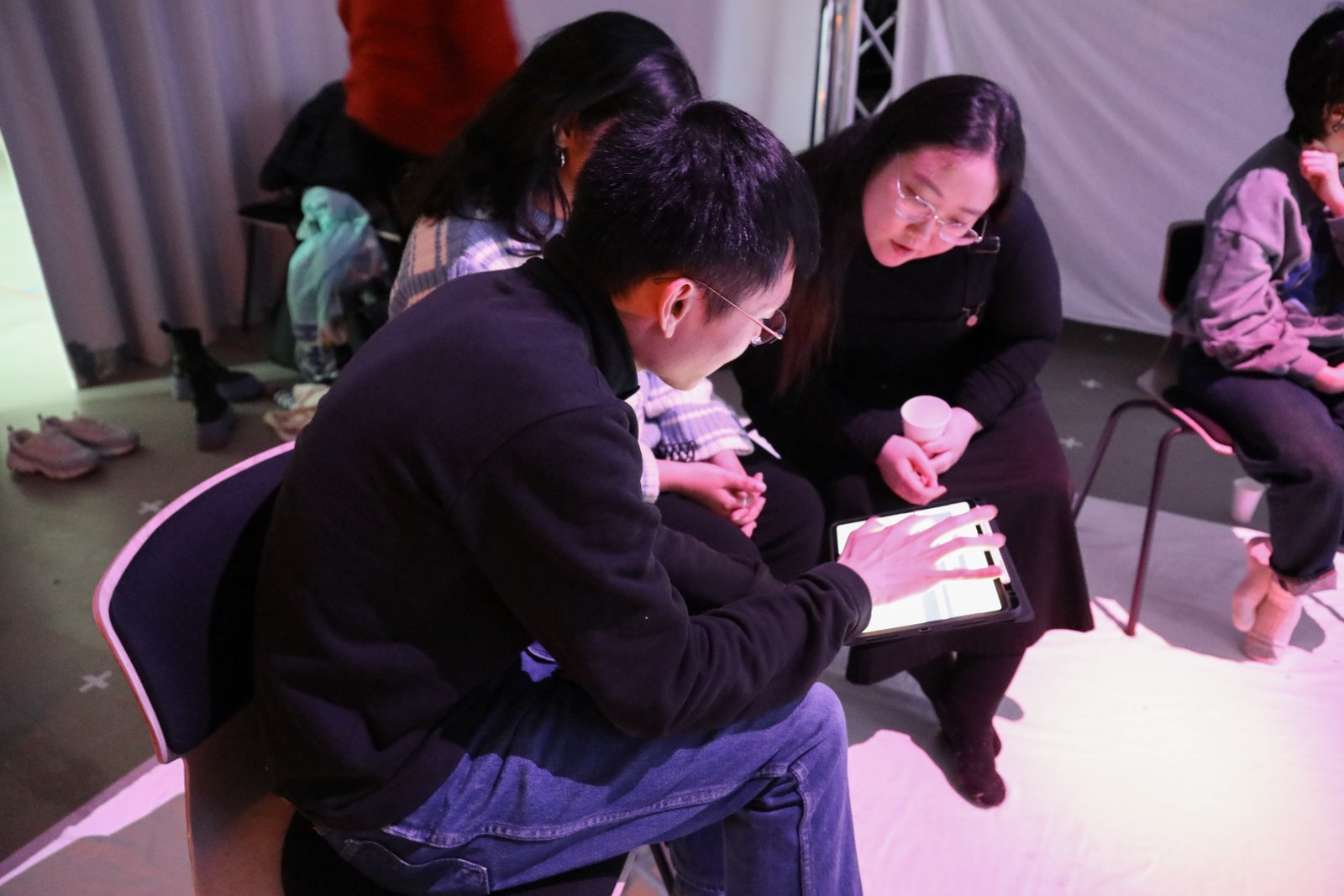
In early 2024, Fang Tsai and the InKüLe team initiated a format called student-led workshops, designed to support UdK Berlin students in developing and facilitating their own creative learning experiences. The aim was to create a framework in which students could explore questions at the intersection of body, voice, materiality, and digital media, while gaining practical experience in conceptualizing and leading workshops. This approach emphasized peer-to-peer learning, collaborative exploration, and critical reflection, encouraging participants to engage experimentally with both physical and digital modes of artistic expression.
Following the success of this first initiative, a second OpenCall in 2025 invited student-led workshop proposals under the theme Im/materialities, extending the focus to the interaction of material, technological, and embodied practices. The goal was to explore how physical and digital forms can be approached as mutable, hybrid, and socially situated, creating a space to examine the shifting boundaries between material and immaterial, analogue and digital. In both series, InKüLe provided guidance in structuring workshops, technical support, and methodological advice, while leaving the student facilitators autonomy over the content and approach of their formats. Across the two series, six workshops were selected and realized, each offering distinct perspectives on body, material, and technology.
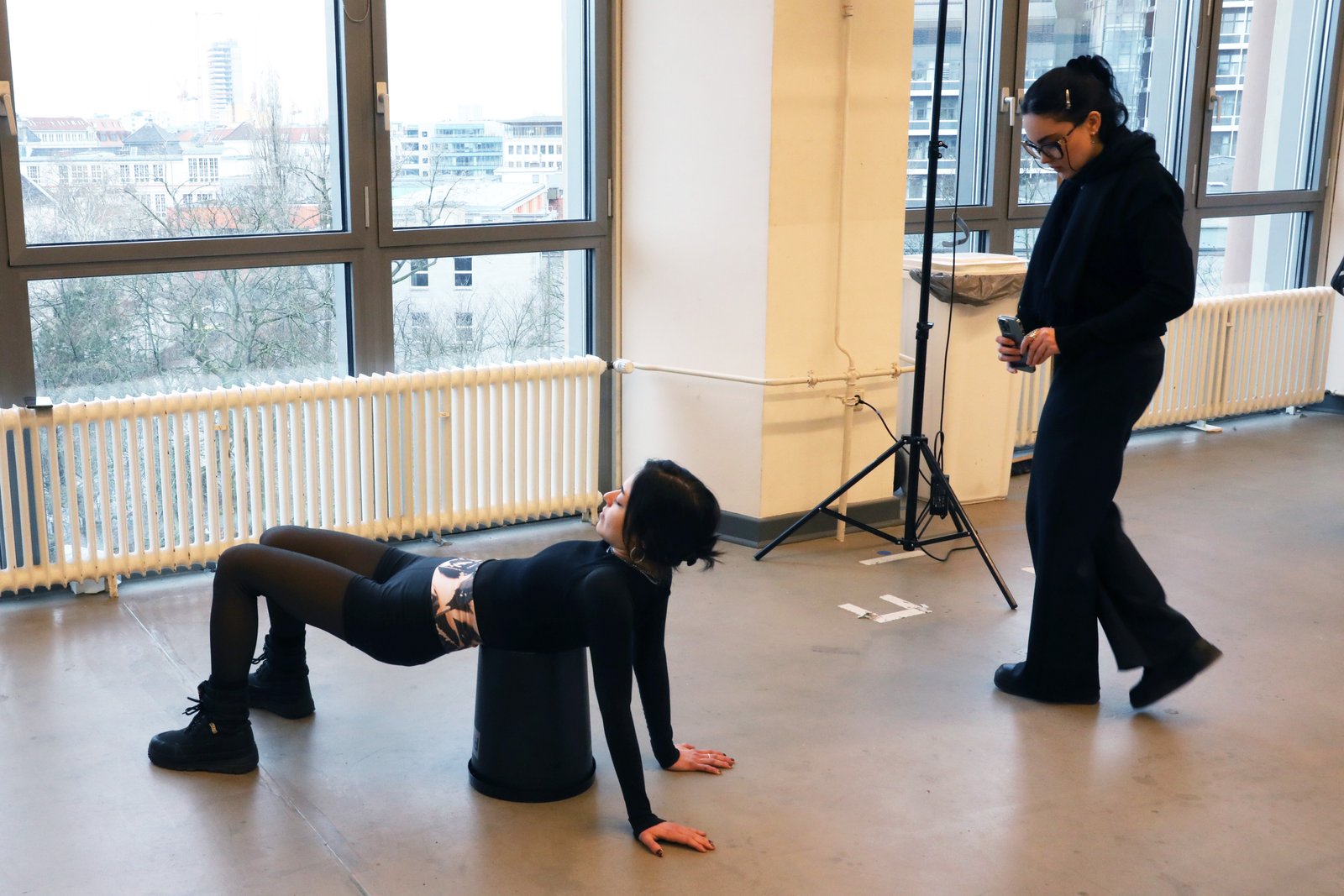
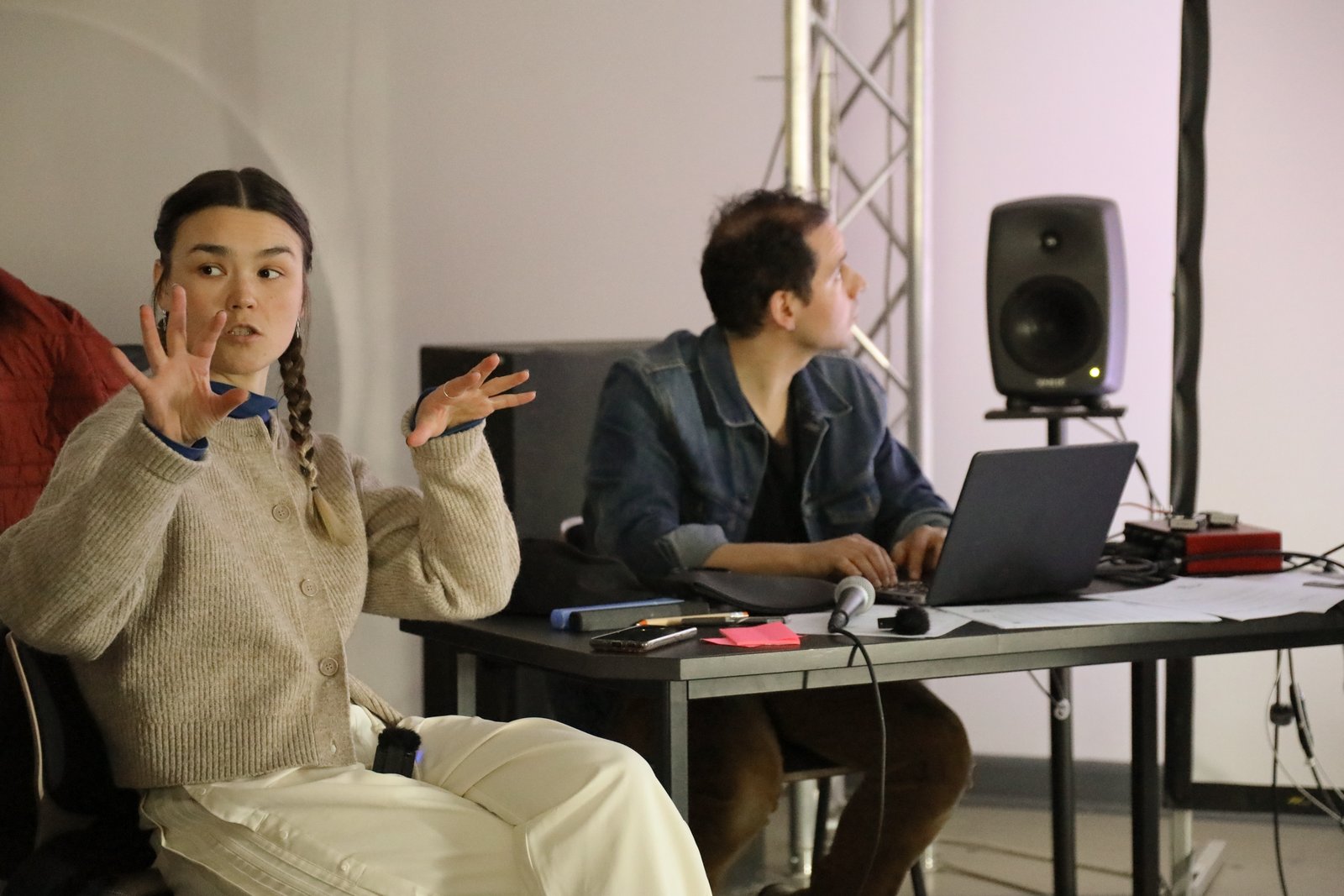
Hybrid Bodies workshop I: Disembodiment and Spatiality of Voice, led by Maryna Makarenko and Özcan Ertek with InKüLe support from Fang Tsai and Franz Siebler, explored voice as a medium of identity and embodiment. Participants engaged in deep-listening exercises, vocal warm-ups, and recording practices, experimenting with modulation and digital processing. The workshop concluded with a collaborative choral composition, in which voices were layered and transformed to challenge conventional understandings of gender and identity.
Hybrid Bodies workshop II: Speak Your Story – A Linguistic Exploration of Identity and Diversity, led by Jane Hwang, focused on language as a lens for cultural and personal identity. Participants examined historical voice archives from the First World War, developed questionnaires, and documented experiences collaboratively on Miro boards, reflecting on how language both constructs and records individual and collective histories.
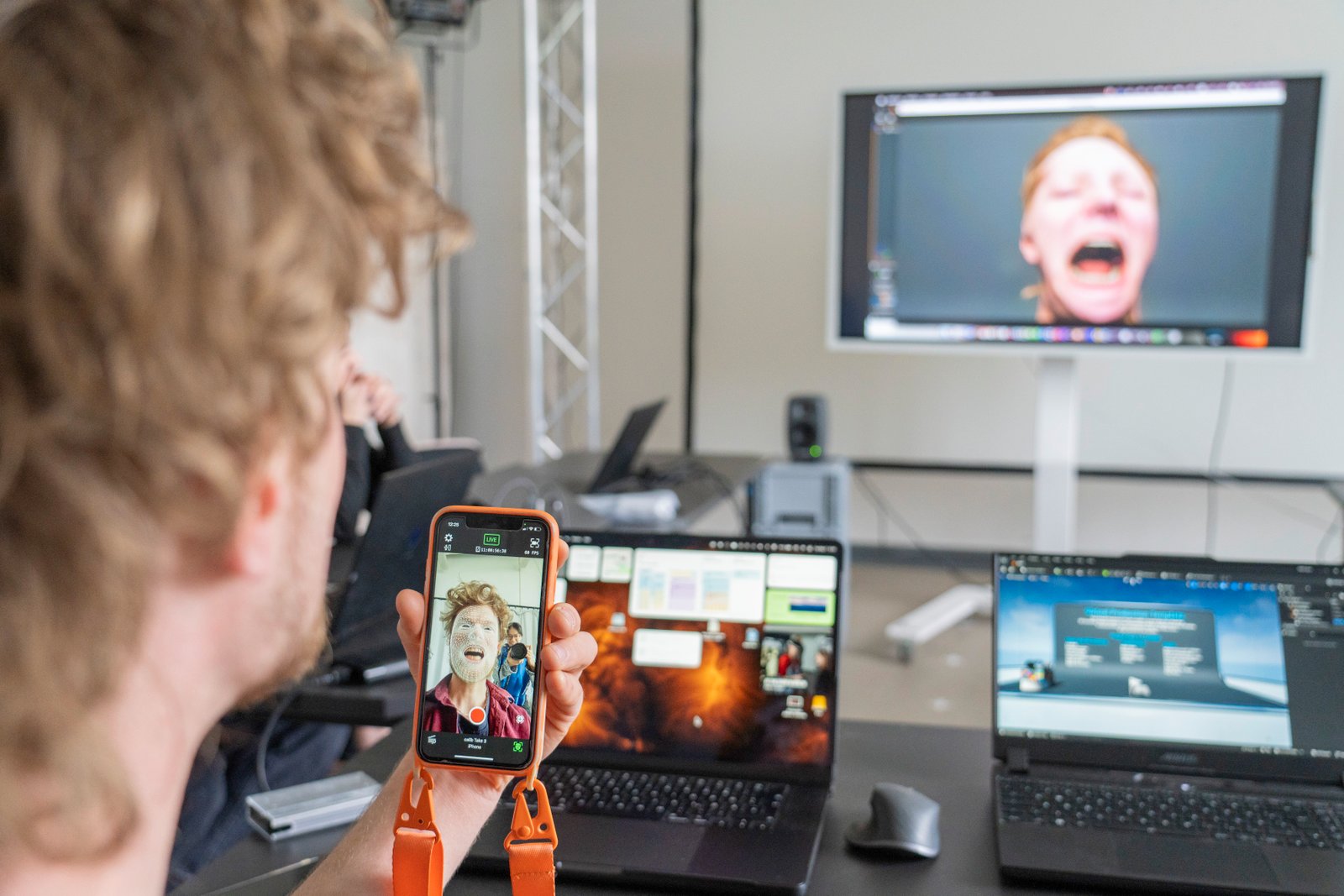
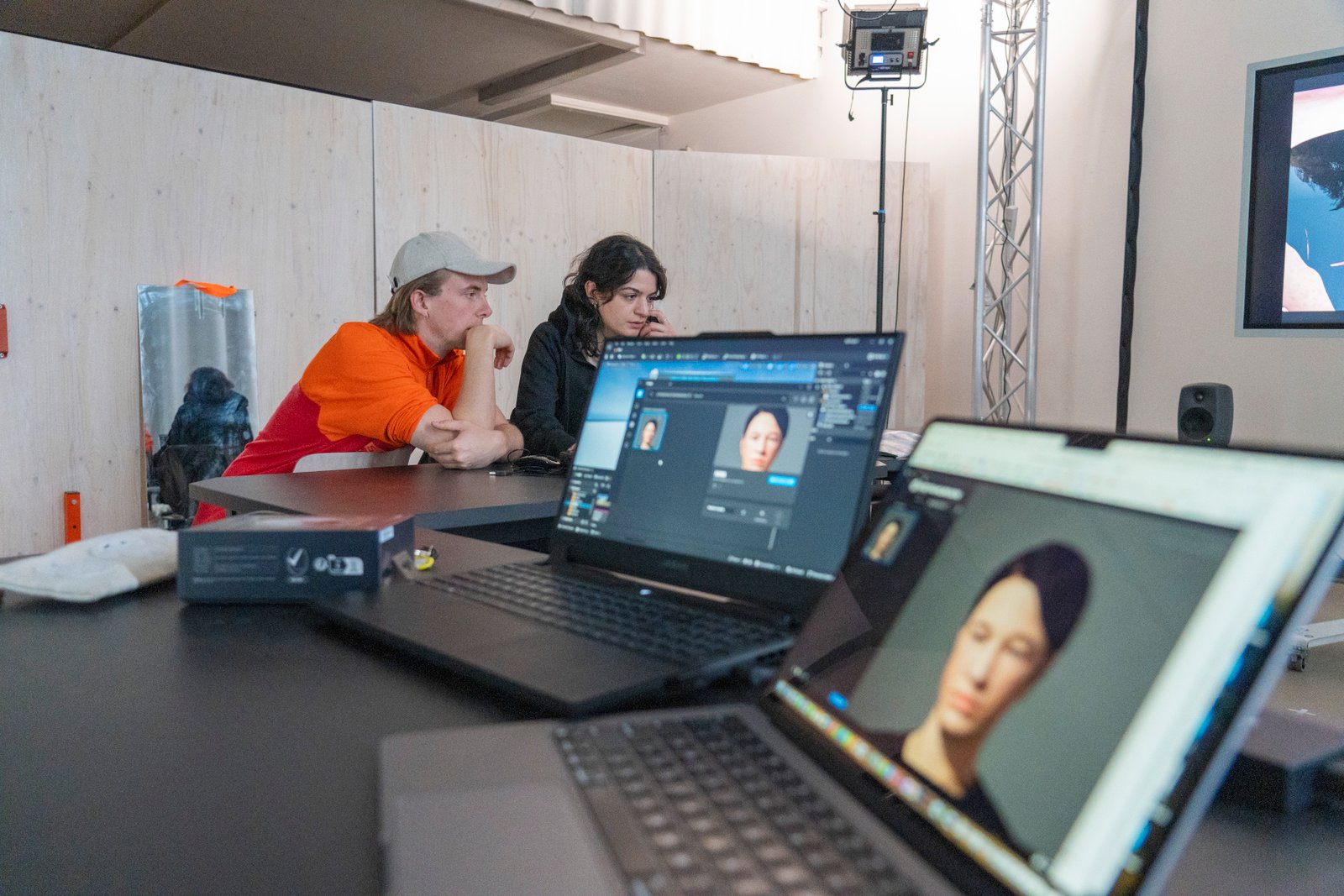
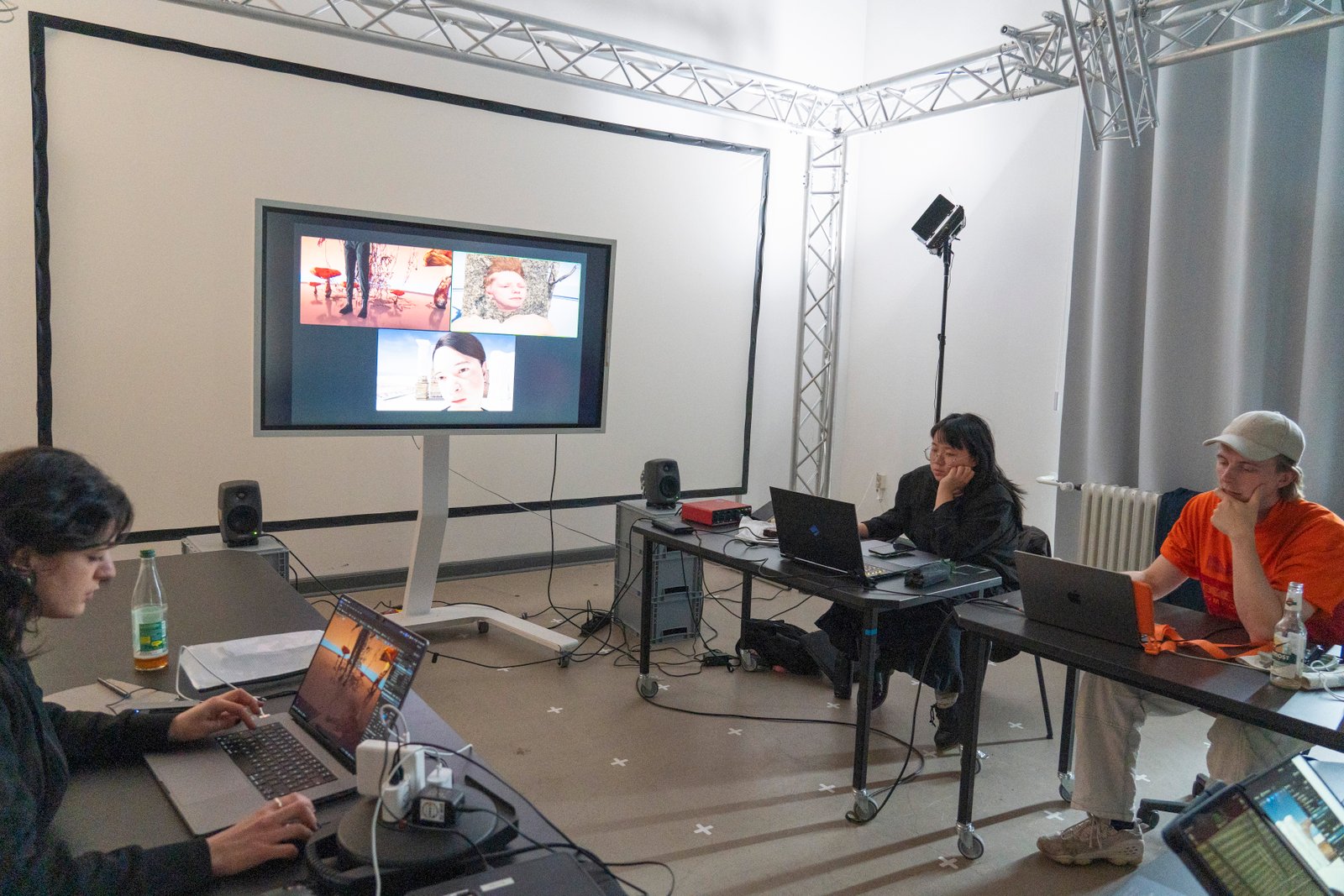
Hybrid Bodies workshop III: sə’lesCHəl – Experiencing Edges of the Digital Self, led by Jonny-Bix Bongers, explored digital self-representation through avatars. Participants created MetaHuman avatars using Unreal Engine and Live Link Face, experimenting with interaction in a virtual environment and considering how digital selves can extend, transform, and question embodied identity.
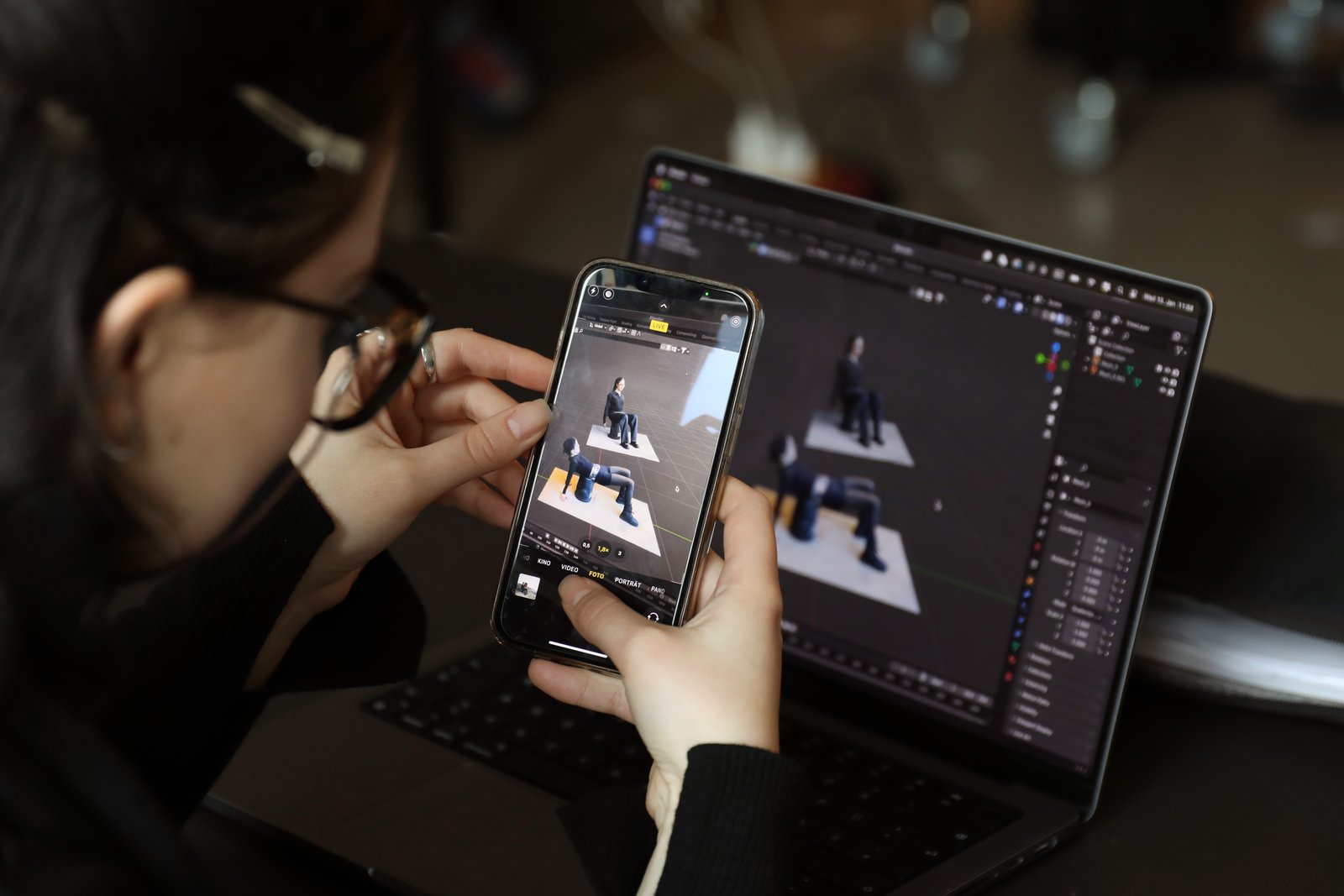
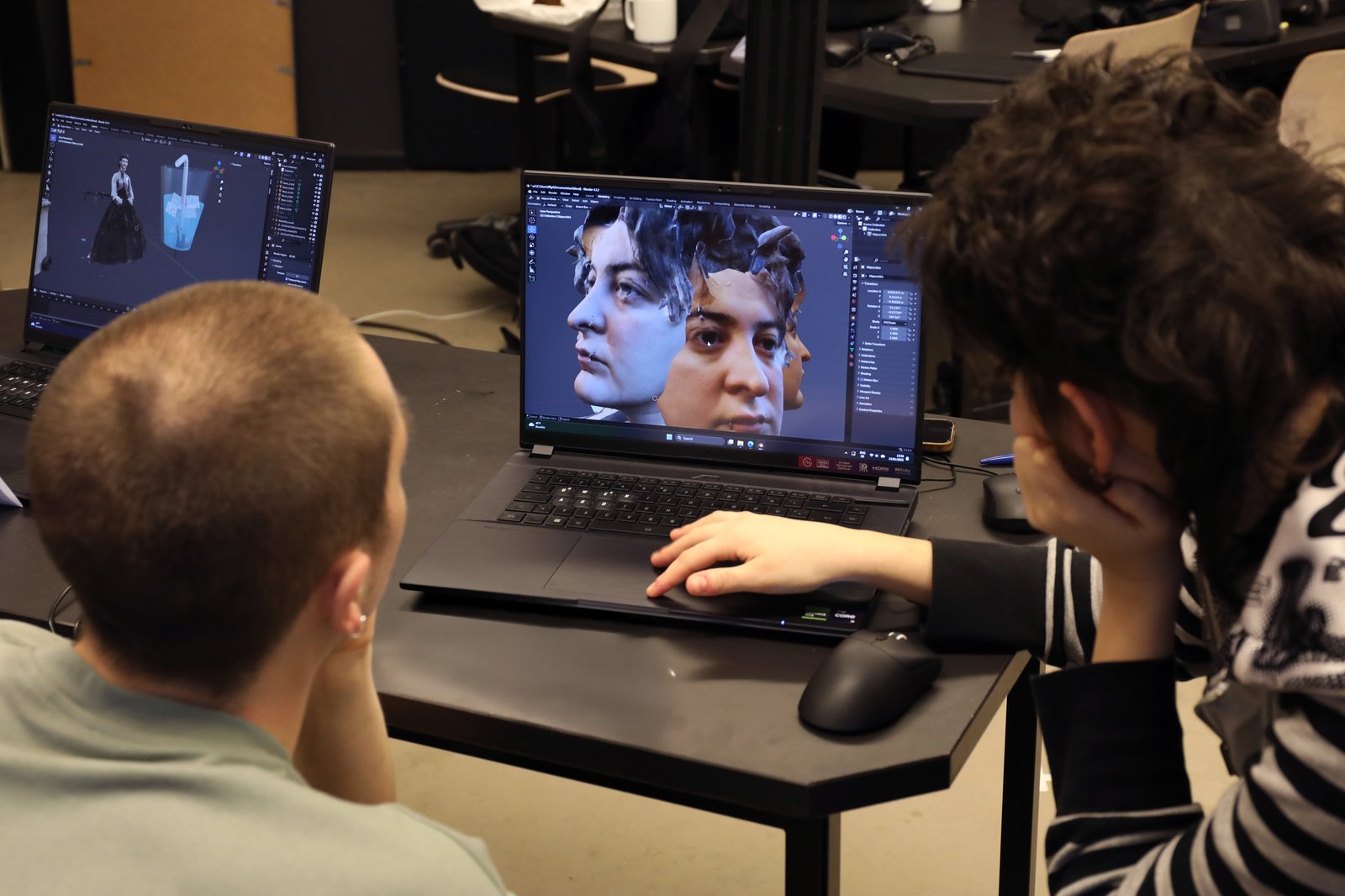
Im/materialities Workshop I: Objectify Your Body, led by Manuel Sinn with support from Fang Tsai. Students used 3D scanning and modeling to merge body parts with everyday objects, generating hybrid sculptures that encouraged reflection on technological objectification and social implications of body representation in digital spaces.
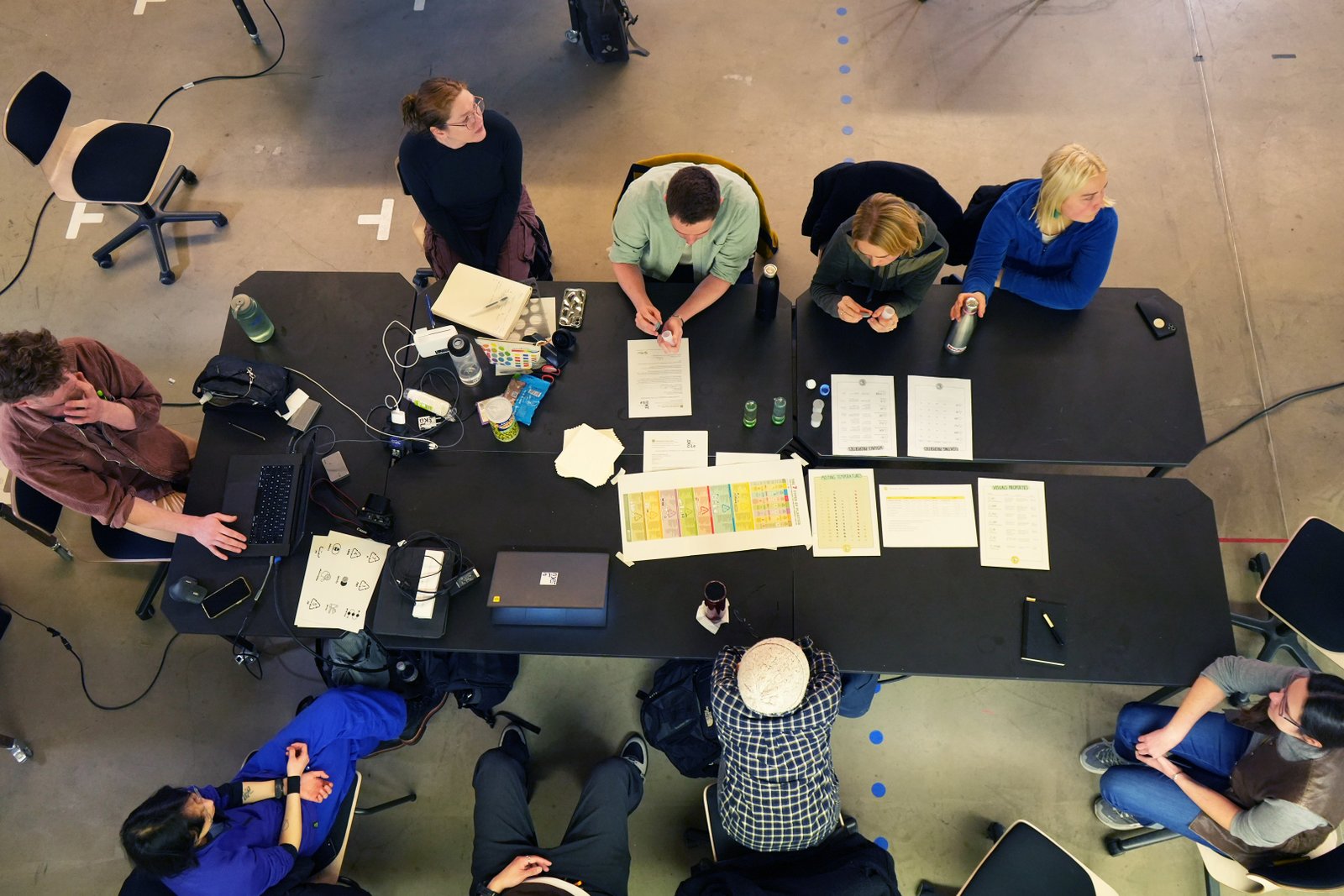
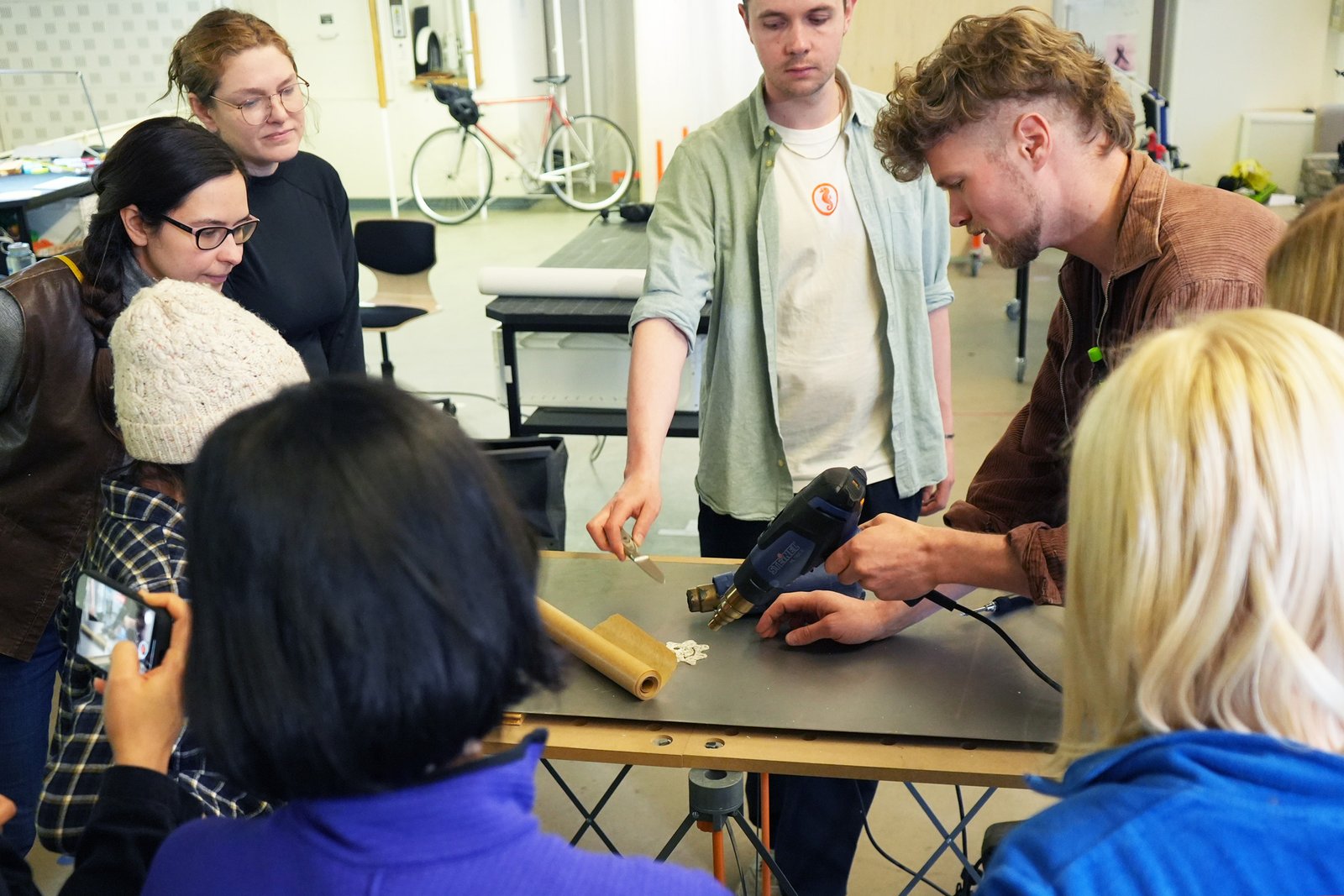
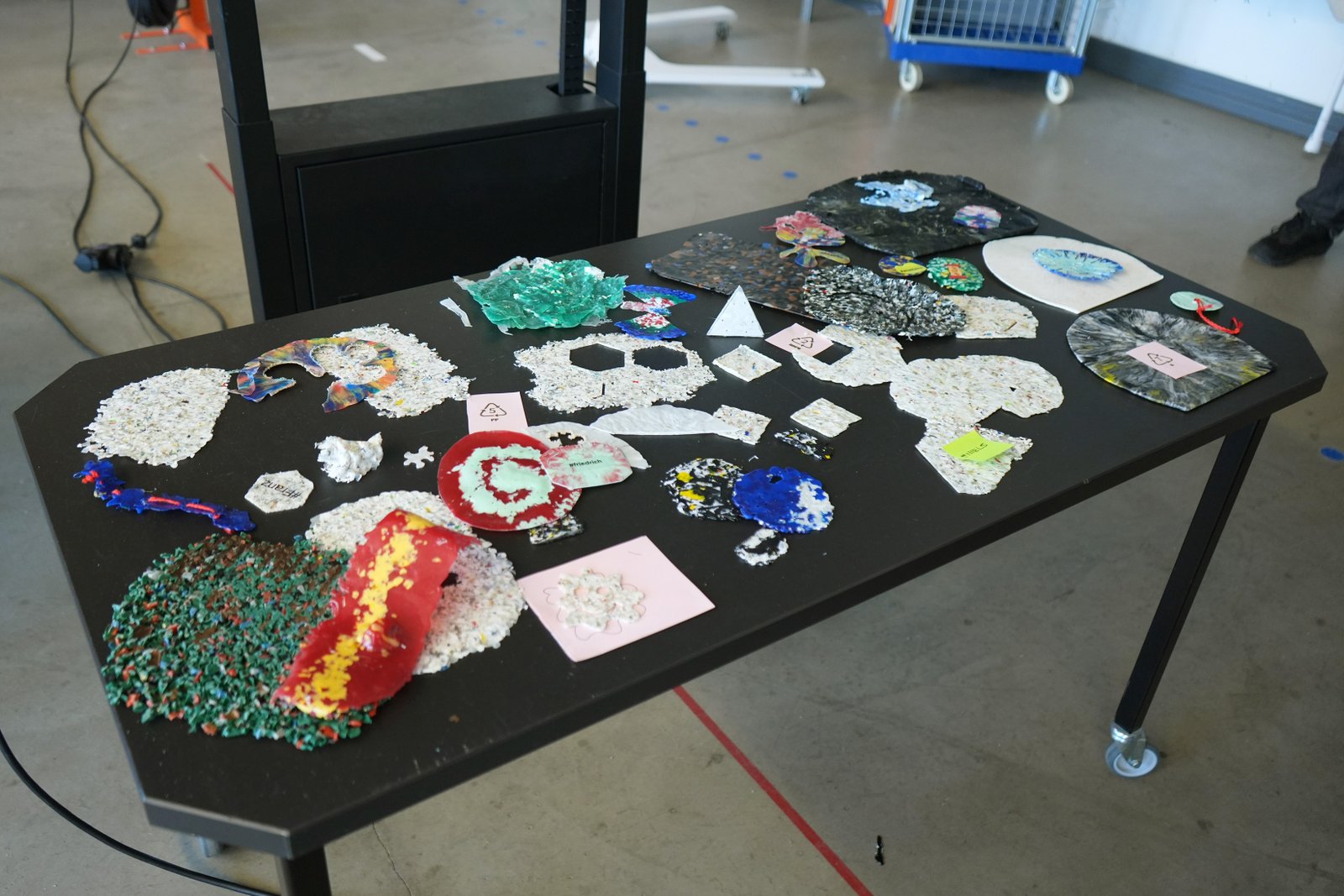
Im/materialities Workshop II: Reshaping Plastics – Workshop, Lab, Experiment, led by Aron Petau with guidance from Franz Siebler, engaged participants in material experimentation with plastics, combining recycling, shaping, and CNC techniques to explore ecological, aesthetic, and technical dimensions of materials.
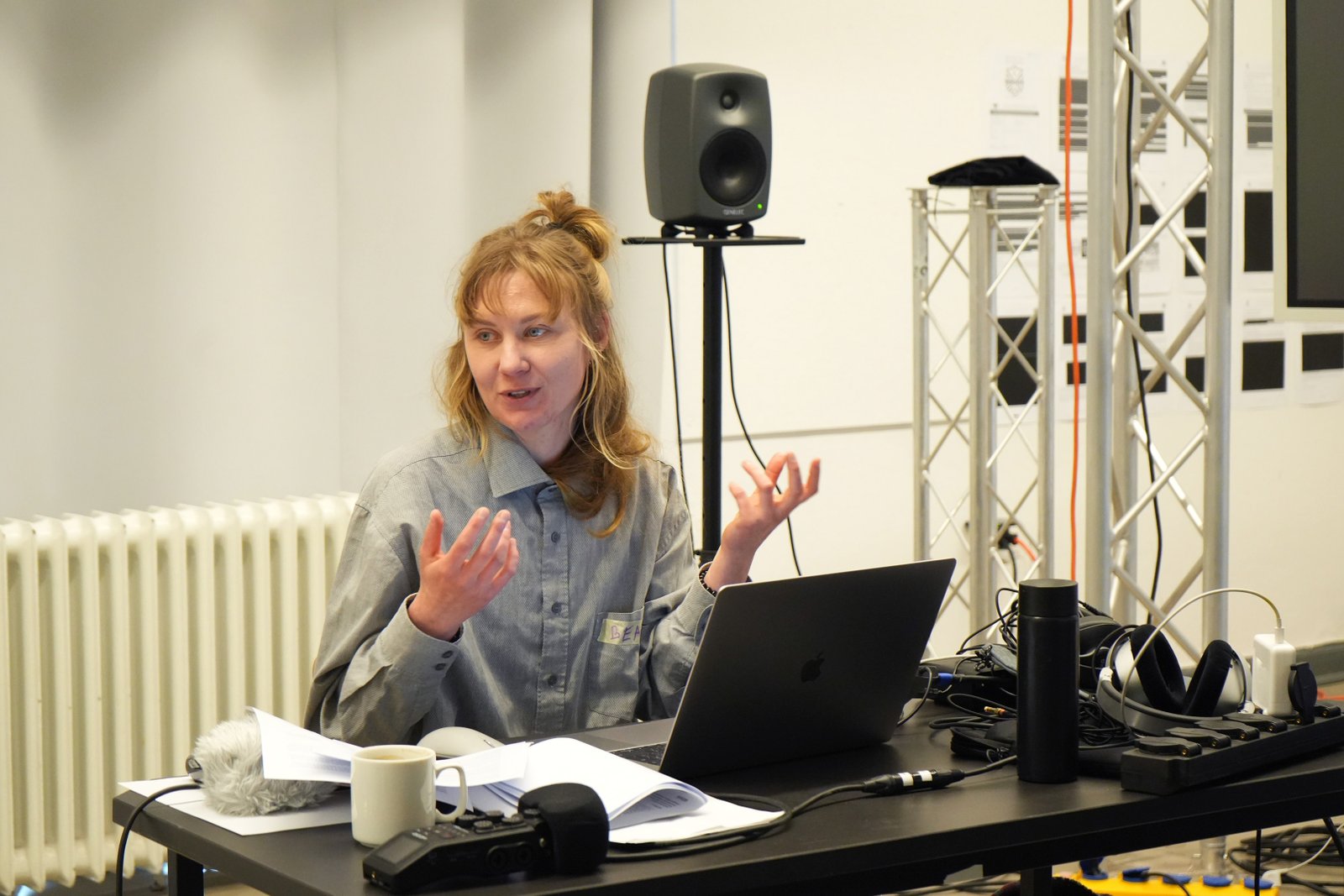
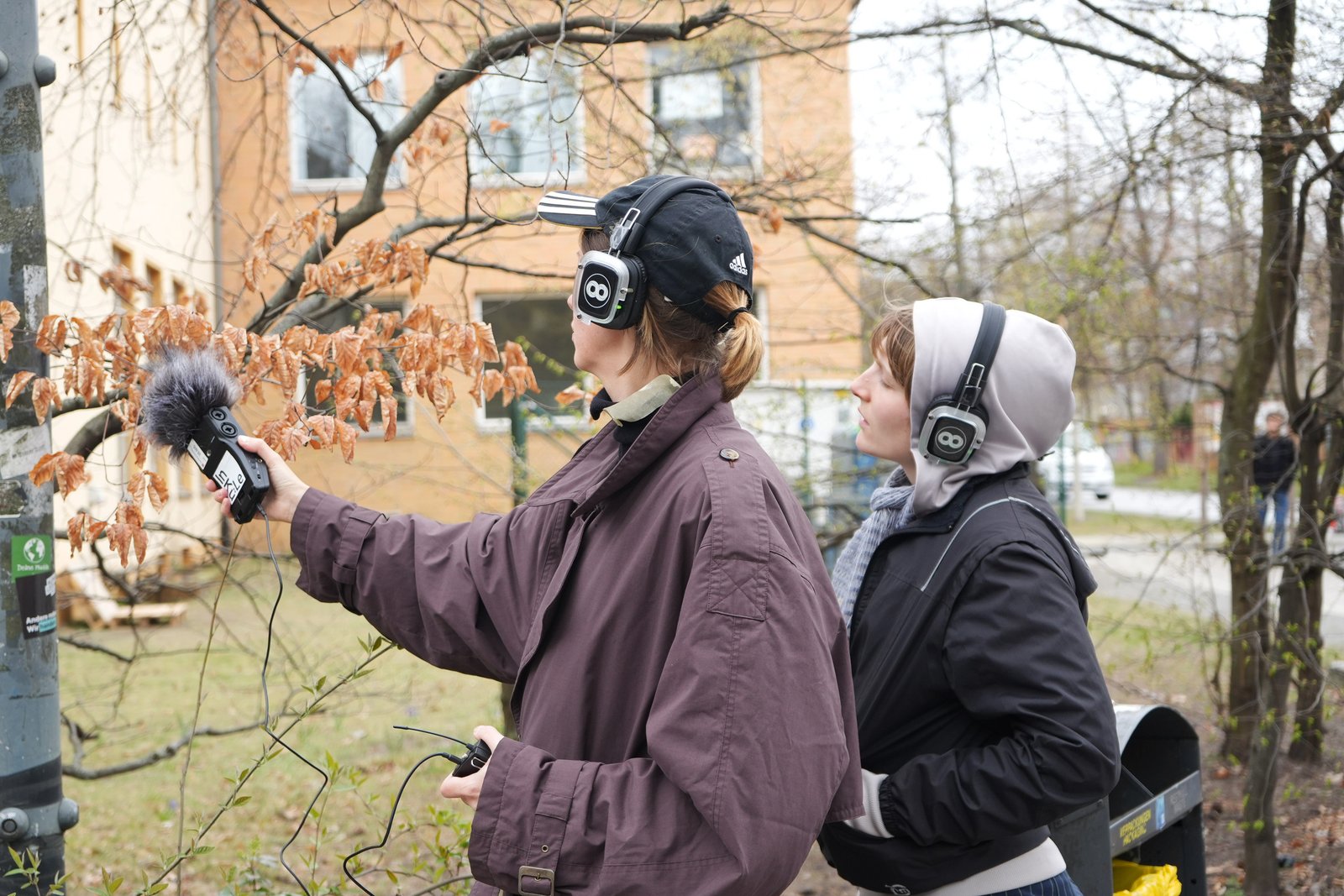
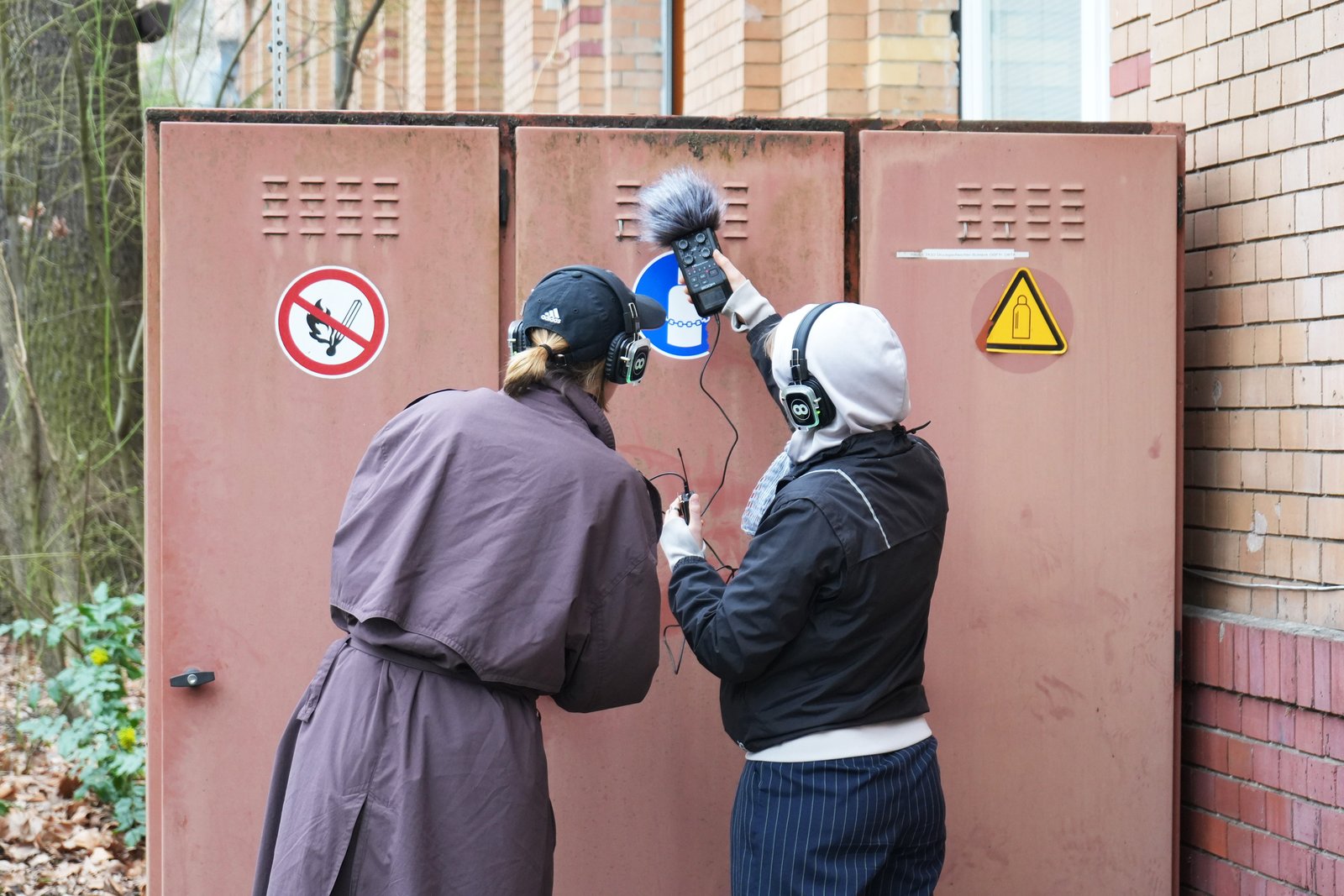
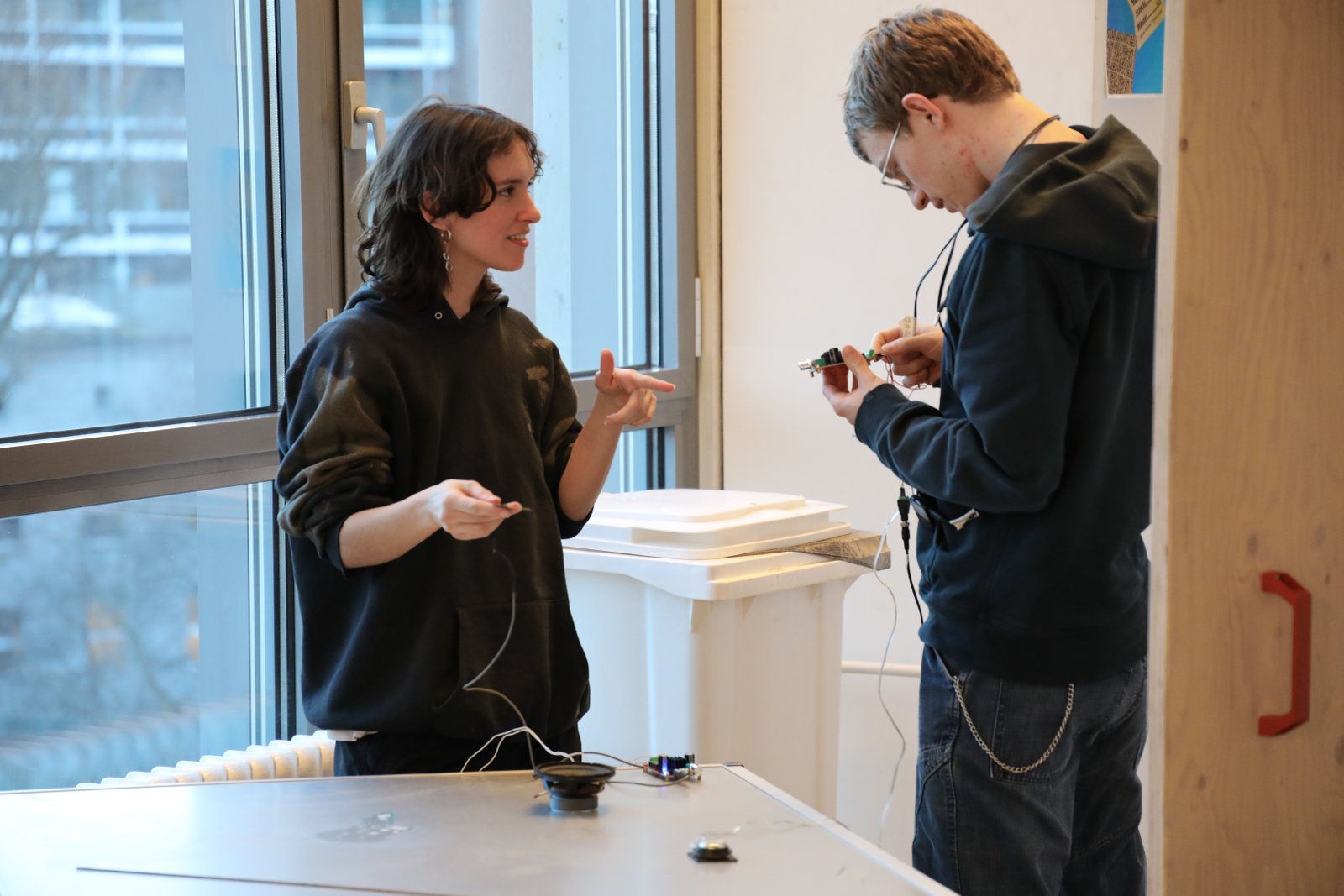
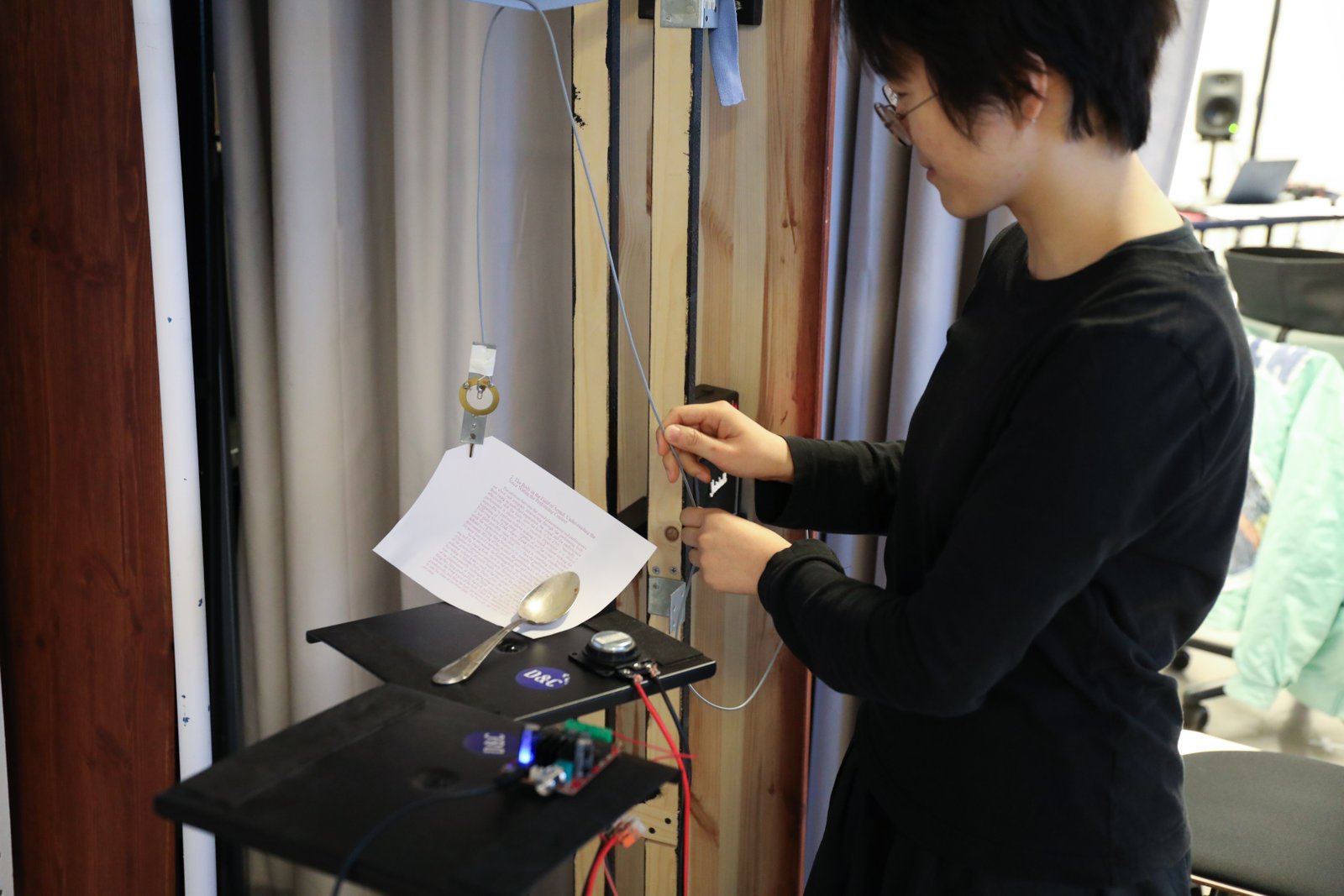
Im/materialities Workshop III: Shared Listening – Auditory Exploration, conducted by Bea Targosz with support from Anastasia Putsykina, invited participants to explore sound as material. Through field recording, immersive listening, and digital manipulation, students reflected on the ways sound can be captured, transformed, and recontextualized, linking sensory perception, technology, and environment.
Together, the Hybrid Bodies and Im/materialities series provided spaces for experimentation, reflection, and collaboration. Across six workshops, participants engaged with questions of identity, embodiment, materiality, and mediation, exploring methods, tools, and practices in dialogue with peers. The student-led approach foregrounded curiosity, process, and openness, highlighting the potential of collaborative, interdisciplinary exploration in shaping both creative and conceptual understanding.
Photo credits | Beril Ece Güler